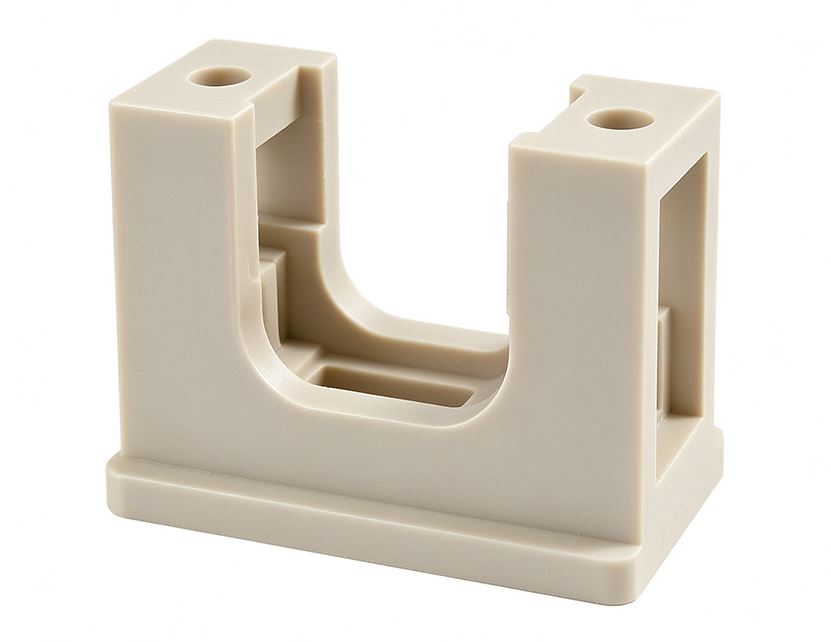
CNC machined parts with PTFE impregnated hard anodizing: ALTEF/ANO-LUBE/Hardcoat/SLF 74/16 COATING
CNC machined parts with PTFE impregnated hard anodizing: ALTEF/ANO- LUBE/Hardcoat/SLF 74/16 COATING

CNC machined parts with ALTEF/ANO-LUBE/Hardcoat/PTFE Anodizing Finish/SLF 74/16 COATING
interlocking , there is resistance to the relative motion of the surfaces.This is called the frictional forces or frictional resistance or friction.
In due course of motion,the old projections get broken and deformities arise.


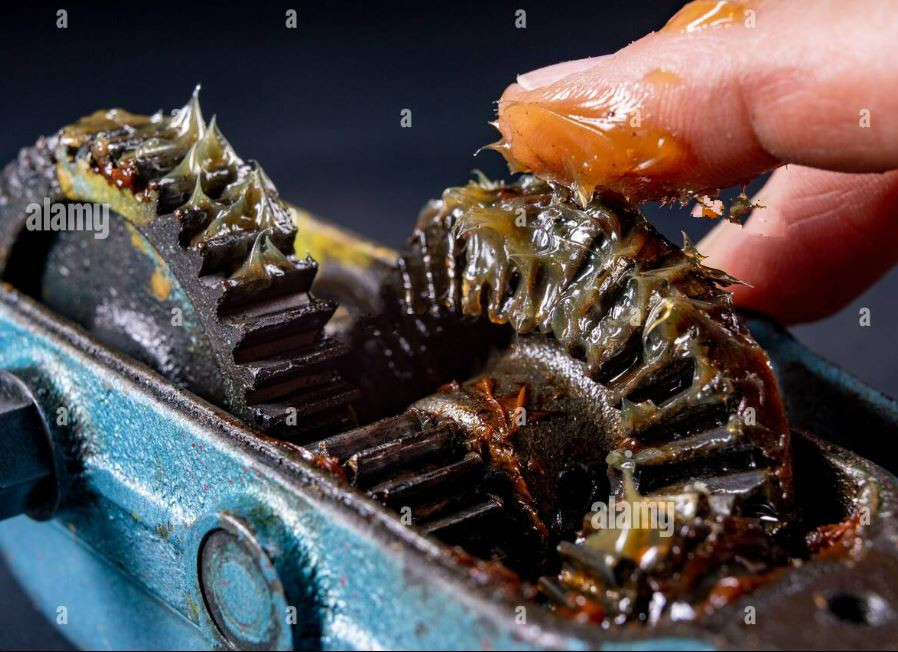
Pic 4 shows the principle of lubricating. We can see the situation of two moving parts with and without lubrican

Grease and oil are the most popularly used lubricants in the machinary. However, there are some disanvantages:Contamination and cleaning issues: Oil leakage or splashing may contaminate sensitive components of precision equipment,
such as optical elements, electronic circuits, and sensors. This contamination can affect the accuracy and performance of the equipment.
Flammability: Lubricating oil is flammable, posing a fire risk, especially in environments with sparks or open flames.
Easily contaminated: Lubricating oil can easily become contaminated with external impurities, such as moisture, dust, and metal particles, which can reduce its effectiveness and potentially increase wear on mechanical parts.
Increased cost and complexity: Using lubricating oil requires establishing and maintaining lubrication systems, including oil pumps, filters,
and cooling devices. This increases the complexity and cost of the equipment.
Oil degradation: Lubricating oil can oxidize, deteriorate, or become contaminated during use, reducing its lubricating properties and
potentially producing corrosive or abrasive by-products that can damage precision components.
Difficult application and replacement: Applying and replacing lubricating oil can be very challenging, especially in enclosed or hard-to-reach areas. Adding or replacing oil requires special tools and techniques.
It is also called in their brand names Altef or Ano-lude. There are other trade names like Hardcoat,,SLF74/16 coating, Tufram,Nituff,Hardlube,
NASA Process Specification PRC-5011 Rev. B has detailed introduction of this technology.
Pic 5 demonstrates PTFE Anodizing Process:
Step 1: CNC Machining
→ Precision machining of aluminum parts to final dimensions
Step 2: Surface Preparation
→ Cleaning, degreasing, and etching to ensure coating adhesion
Step 3: Hard Anodizing (Type III)
→ Electrochemical process creates hard aluminum oxide layer (50–75 μm)
Step 4: PTFE Impregnation
→ PTFE particles are embedded into the porous anodic layer
Step 5: Sealing
→ Hot water or nickel acetate sealing locks in the PTFE
Step 6: Quality Inspection
→ Coating thickness, hardness, and dimensional verification
Step 7: Shipping
→ Parts packed and shipped via DHL/FedEx/UPS

The current causes the aluminium oxide layer to grow on the surface of the metal. This process causes the formation of a thicker and more durable oxide layer with pores on the surface of the aluminium, which provides increased corrosion resistance, improves
durability, and enhances the appearance of the metal. With controlled infusion of PTFE particles.sealed into the pores, the entire surface
seems be like covered with a layer of PTFE film which can last long period of working time.
The ALTEF® treatment can significantly improve the properties of aluminum. In many cases, the improvements make it possible to
replace steel and other metallic materials
The affect to dimensions:
Roughly half of the coating thickness penetrates into the surface of the parts while the other half builds up on the surface. Therefore,
for a typical 0.002” thickness requirement, there is 0.001” dimensional change per surface.
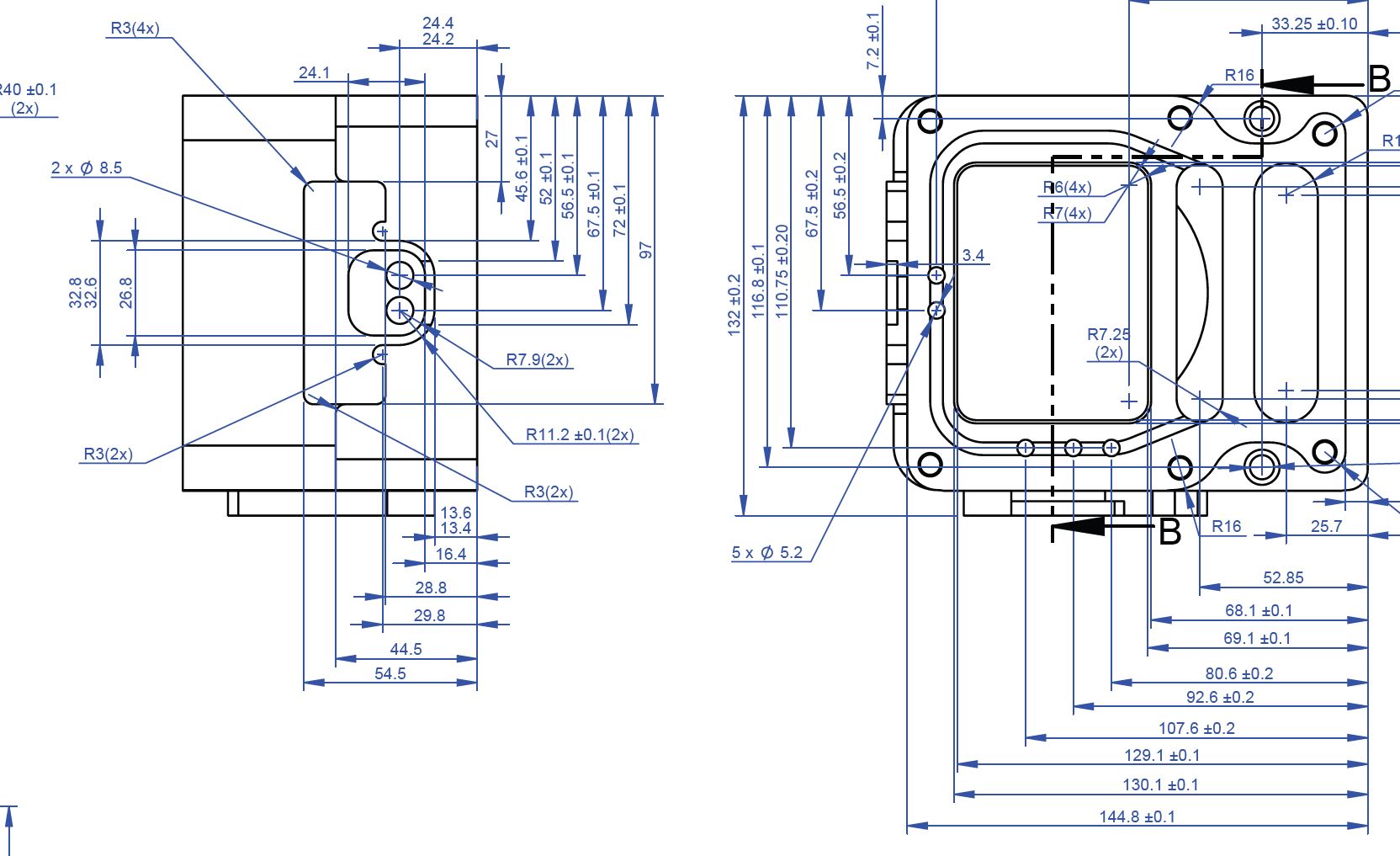
Pic 6 and Pic 7 show the comparison of the dimensions before and after coating.


Firearms/Ordnance– corrosion and wear resistance
Machinery– abrasion resistance for high-speed machine parts
Electronics– uniform emissivity and a high dielectric
Marine/Naval– corrosion resistance in salt-water environments
Molds and Dies– improved release properties and abrasion resistance at high temperatures
Food & Agriculture– long service life, easy-to-clean surface and release on molds
Chemical Industry– corrosion resistance in extreme environments
Weaponry optics – provides lubricious, wear-resistant coating for rotating and telescoping optical sight housings and dials
Automation equipment – paper printers and rollers, robotics and semiconductor assembly equipment
Pneumatic cylinders and valve spools – resists wear from contact with piston seals; PTFE permits use without additional wet lubricants
Pump components – resists erosion for liquids that may contain sand or other abrasive media
Plasma etching equipment – PTFE-sealed anodize protects the aluminum from erosion in the process

• Phone: +86 755 22676100
• WhatsApp / WeChat available on the right side.
Comprehensive Analysis of Materials for CNC Machining: Properties and Suitable Products
Surface Roughness Conversion Chart: China, Europe & US Standards | Eastmaster