Stainless Steel CNC Machining: 303 vs 304 vs 316 Complete Comparison Guide
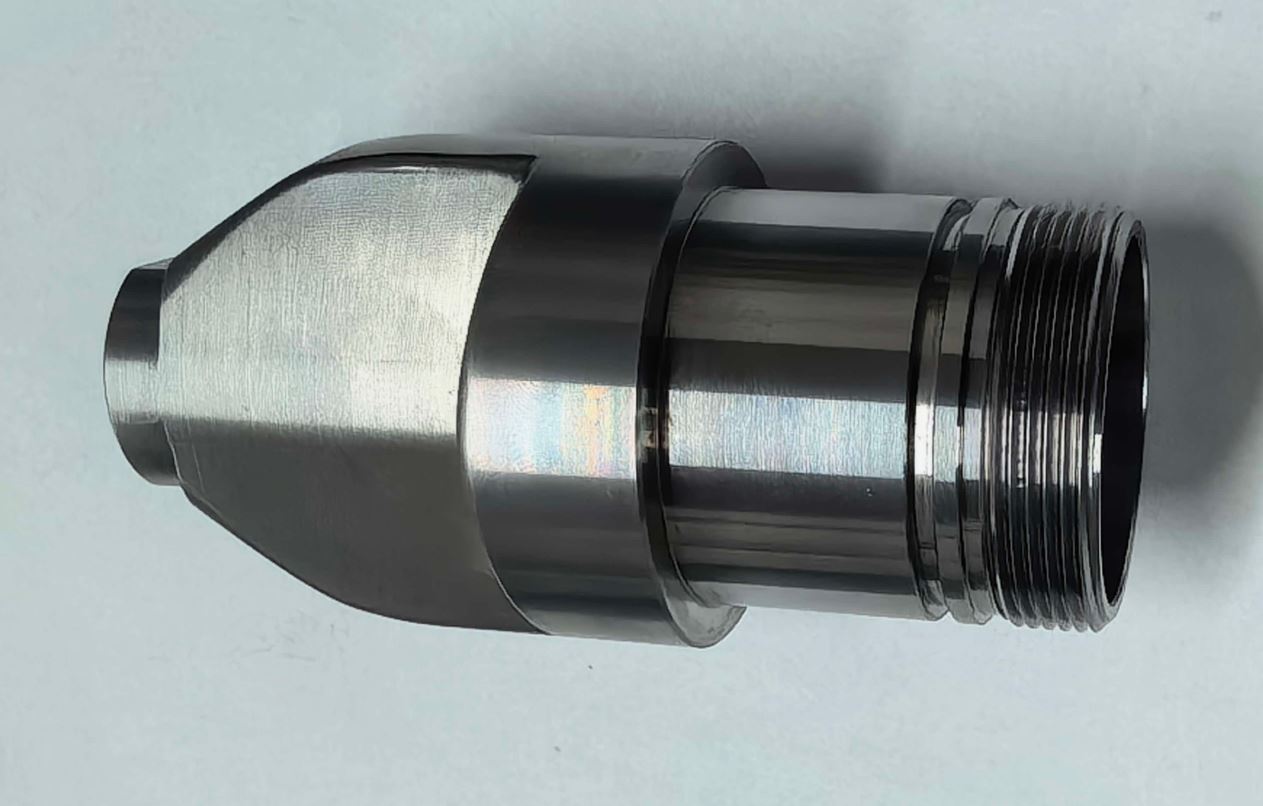
Stainless steel is one of the most widely used materials in CNC machining, valued for its great rust resistance, strength, and clean look. Among the many stainless steel grades available, three austenitic grades dominate CNC machining: 303, 304, and 316.
Each grade has its own strengths and trade-offs in ease of machining, rust resistance, strength, and cost. Choosing the right grade is key to balancing performance, ease of making, and budget. This complete guide compares all three grades in detail to help engineers, designers, and buyers make smart decisions for their CNC machined stainless steel parts.
This guide draws on 25+ years of stainless steel CNC machining experience at Eastmaster Manufacturing Limited in Shenzhen, where we machine all three grades daily for medical devices, food processing, marine hardware, and industrial equipment.
Overview: The Three Most Common CNC Machining Stainless Steels
303, 304, and 316 stainless steel all belong to the austenitic (300 series) family. This means they are non-magnetic (or very slightly magnetic after cold working), cannot be hardened by heat treatment, and offer great rust resistance and formability.
Quick Summary:
• 303: The machining king — made for fast, efficient CNC machining with sulfur added
• 304: The all-rounder — best general-purpose stainless steel with good machining and great rust resistance
• 316: The rust champion — best resistance to salt, acids, and sea environments
303 Stainless Steel: The Easy-Machining Champion
303 stainless steel is basically 304 with added sulfur (and sometimes phosphorus) to make it easier to machine. The sulfur forms tiny inclusions that break up chips, greatly improving machining speed at the cost of slightly lower rust resistance.
Key Properties
|
Property |
303 Value |
Notes |
|
Tensile Strength |
620-690 MPa |
Similar to 304 |
|
Yield Strength (0.2%) |
310-380 MPa |
Slightly higher than 304 |
|
Hardness (Brinell) |
228 HB max |
Comparable |
|
Elongation |
40% min |
Good flexibility |
|
Density |
7.97 g/cm³ |
Standard austenitic SS |
|
Machinability Rating |
60-70% (of 12L14 steel) |
Best of all austenitic grades |
|
Corrosion Resistance |
Good (lower than 304) |
Sulfur inclusions lower pitting resistance |
|
Weldability |
Poor |
Sulfur causes hot cracking |
|
Magnetic After Cold Work |
Slightly magnetic |
Typical for austenitic SS |
Advantages of 303
• Fastest machining speed among austenitic stainless steels — 60-70% faster than 304
• Great chip breaking — sulfide inclusions prevent long, stringy chips
• Better surface finish possible compared to 304 due to better chip control
• Lower tool wear — less work hardening tendency
• Lower machining cost — faster cycle times mean lower per-part cost
Limitations of 303
• Cannot be welded — sulfur causes cracking in weld zones
• Lower rust resistance compared to 304 — sulfide inclusions are starting points for pitting rust
• Not suitable for marine, chemical, or food-contact jobs where pitting resistance is critical
• Not suitable for high-temperature use above 400°C (sulfide inclusions break down)
Best Uses for 303
• Precision shafts, spindles, and bushings
• Fittings, fasteners, and connectors
• Gears and splines
• Electronic hardware and connector pins
• Instrument components
• Any job needing high-volume CNC machining of stainless steel parts where welding is not needed
304 Stainless Steel: The Versatile All-Rounder
304 is the most widely used stainless steel in the world, making up roughly 50-60% of all stainless steel production. It offers a great balance of rust resistance, formability, weldability, and strength. While not as easy to machine as 303, it is far more flexible in end-use applications.
Key Properties
|
Property |
304 Value |
Notes |
|
Tensile Strength |
515-720 MPa |
Standard range |
|
Yield Strength (0.2%) |
205-310 MPa |
Lower than 303 |
|
Hardness (Brinell) |
201 HB max |
Slightly softer than 303 |
|
Elongation |
50% min |
Excellent flexibility |
|
Density |
7.93 g/cm³ |
Standard |
|
Machinability Rating |
40-50% (of 12L14 steel) |
Moderate — needs careful tooling |
|
Corrosion Resistance |
Excellent |
Good pitting and crevice resistance |
|
Weldability |
Excellent |
All standard welding methods |
|
Max Service Temp |
870°C (intermittent) |
Good oxidation resistance |
Advantages of 304
• Great all-round rust resistance in air, freshwater, and many chemical environments
• Great weldability — can be welded by all standard methods without pre- or post-weld heat treatment
• Great formability — can be deeply drawn, bent, and shaped
• Good high-temperature oxidation resistance
• FDA-approved for food contact applications
• Widely available and cost-effective
Limitations of 304
• Moderate machining — work hardens fast, needs sharp tools and right settings
• Can suffer from pitting and crevice rust in chloride environments (salt water, de-icing salts)
• Not suitable for marine or highly corrosive chemical environments
Best Uses for 304
• Food and beverage processing equipment
• Kitchen equipment and appliances
• Architectural panels, trim, and hardware
• Chemical containers and piping (non-chloride)
• Heat exchangers
• Pharmaceutical equipment
• General-purpose CNC machined brackets, housings, and fixtures
316 Stainless Steel: The Premium Rust-Resistant Grade
316 stainless steel adds 2-3% molybdenum to the 304 mix, greatly improving resistance to pitting and crevice rust — especially in chloride (salt) environments. It is the standard choice for marine, medical, and harsh chemical jobs.
Key Properties
|
Property |
316 Value |
Notes |
|
Tensile Strength |
515-720 MPa |
Similar to 304 |
|
Yield Strength (0.2%) |
205-310 MPa |
Similar to 304 |
|
Hardness (Brinell) |
217 HB max |
Slightly harder than 304 |
|
Elongation |
40% min |
Good flexibility |
|
Density |
7.99 g/cm³ |
Slightly denser (Mo content) |
|
Machinability Rating |
35-45% (of 12L14 steel) |
Slightly lower than 304 |
|
Corrosion Resistance |
Superior — especially vs chlorides |
Mo addition resists pitting |
|
Weldability |
Excellent |
All standard methods |
|
Max Service Temp |
870°C (intermittent) |
Similar to 304 |
Advantages of 316
• Best pitting and crevice rust resistance — 10-100× more resistant to chlorides than 304
• Great resistance to sulfuric acid, acetic acid, and other organic acids
• Ideal for marine environments — the standard marine-grade stainless steel
• FDA-approved and biocompatible — widely used in medical implants and surgical tools
• Great weldability and formability
• Better high-temperature creep strength than 304
Limitations of 316
• Most expensive of the three — typically 20-40% more costly than 304
• Lowest machining ease of the three — gummier, more work hardening tendency
• Not immune to all rust — still at risk in very harsh conditions (hot concentrated HCl, etc.)
Best Uses for 316
• Marine hardware and boat fittings
• Medical implants and surgical instruments
• Pharmaceutical processing equipment
• Chemical processing in chloride environments
• Food processing in saltwater or brine environments
• Coastal building applications
• Laboratory equipment and cleanroom hardware
303 vs 304 vs 316: Full Comparison
|
Property |
303 |
304 |
316 |
|
Machinability |
Best (60-70%) ★ |
Moderate (40-50%) |
Lower (35-45%) |
|
Corrosion Resistance |
Good |
Excellent |
Superior ★ |
|
Chloride Resistance |
Poor |
Moderate |
Excellent ★ |
|
Weldability |
Poor |
Excellent ★ |
Excellent ★ |
|
Strength |
Highest ★ |
Moderate |
Moderate |
|
Formability |
Good |
Excellent ★ |
Good |
|
Cost |
Low ★ |
Medium |
High |
|
Food Contact |
Not recommended |
FDA approved ★ |
FDA approved ★ |
|
Marine Use |
Not recommended |
Not recommended |
Excellent ★ |
|
Medical Implants |
No |
Rarely |
Yes ★ |
★ = Best in category
CNC Machining Tips for Stainless Steel
No matter which grade you choose, stainless steel needs different machining approaches compared to aluminum or carbon steel:
Tool Selection
• Use sharp, high-quality carbide tools — dull tools speed up work hardening
• Coated carbide (TiAlN, AlCrN) greatly extends tool life
• Low number of flutes (3-4 for end mills) for better chip removal
• Polished rake face reduces chip sticking
Cutting Parameters
• Lower cutting speeds than carbon steel: 30-80 m/min for turning, 50-150 m/min for milling
• Higher feed rates to cut below the work-hardened layer from the previous pass
• Enough depth of cut — at least 0.2 mm to ensure cutting below the work-hardened zone
• Never stop or pause during the cut — this creates a hardened spot that quickly destroys the tool
Coolant Requirements
• Flood coolant is a must for stainless steel CNC machining
• High-pressure coolant (70+ bar) greatly improves tool life and chip removal
• Keep coolant concentration right — weak coolant promotes rust and bacterial growth
Work Hardening Management
• Stainless steel work hardens fast — this is the #1 challenge in machining
• Always keep positive chip load — never let the tool rub
• Use rigid setup and short tool overhang to reduce vibration
• For tight tolerances, consider multiple light passes rather than one heavy pass
How to Choose the Right Stainless Steel Grade
Use this simple decision guide when selecting a stainless steel grade for your CNC machined parts:
• Is fast machining the top priority (high volume, many features)? → 303
• Is the part for food, kitchen, or general use? → 304
• Will the part face saltwater, chlorides, or harsh chemicals? → 316
• Does the part need to be welded? → 304 or 316 (never 303)
• Is the part for medical implants or surgical tools? → 316L (low carbon)
• Is cost the main concern and rust risk is low? → 303
• Is the part for marine hardware? → 316
Why Choose Eastmaster for Stainless Steel CNC Machining
Eastmaster Manufacturing Limited has deep experience in CNC machining all grades of stainless steel, including 303, 304, 316, 316L, 17-4PH, and duplex grades.
• 3, 4, and 5-axis CNC machining centers set up for stainless steel
• High-pressure coolant systems (70+ bar) for great tool life and surface finish
• Skilled operators trained in stainless steel machining methods
• Full range of stainless steel grades in stock: 303, 304, 316, 316L, 17-4PH, 416, 420
• CMM inspection and full dimensional reporting
• ISO 9001 and ISO 13485 certified quality management
• D-U-N-S verified: 66-849-8033
Contact Eastmaster with your stainless steel machining requirements. Our engineering team will review your design, suggest the best grade, and provide a detailed quote — usually within 24 hours.

• Email: info@eastmaster.com
• Phone: +86 755 22676100
• WhatsApp / WeChat available on the right side.
Aluminum Alloy CNC Machining: 6061 vs 7075 vs 5052 Selection Guide | Eastmaster
Transparent Part Injection Molding: Materials, Mold Design & Defect Prevention